Cart
Your shopping cart is empty!
It's never too late to fix it :)

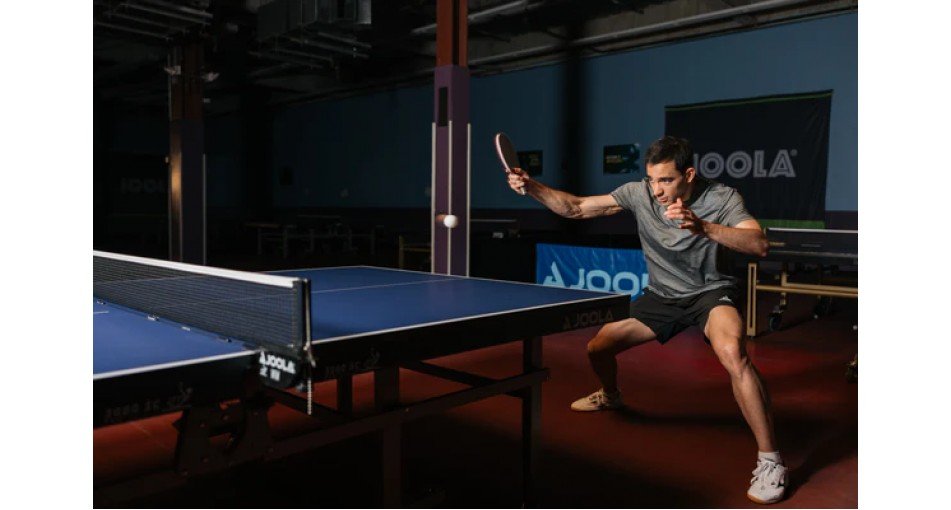
Hugo Calderano is one of the most important athlete signings in modern table tennis, and JOOLA Hugo Calderano quickly became a search term serious players started tracking for a reason. When a world-class attacker with his speed, timing, and countering quality aligns with a major equipment brand, players want to know two things fast: what he uses, and whether any part of that setup makes sense for their own game.
That second question matters more than the first. Plenty of club players copy a pro racket without understanding why it works at the top level. Calderano’s equipment profile is interesting not because it is famous, but because it reflects a very specific offensive identity - explosive first attack, heavy quality over the table, and outstanding stability in fast rallies. If you are building around modern two-wing attack, there is a lot to learn here.
Calderano is not just another sponsored name added to a brand roster. He is one of the few players outside the traditional power centers to establish himself as a genuine force at the highest level of the sport. That gives his equipment choices unusual weight. Players do not just see branding. They see proof that JOOLA can support elite-level offensive performance under real pressure.
For retailers and equipment-focused players, that changes how the brand is viewed. A pro endorsement only matters when the athlete’s game clearly matches the product story. In Calderano’s case, it does. His game is fast, direct, aggressive, and technically demanding. That puts immediate attention on blade composition, rubber response, throw angle, and short-game precision.
It also pushes a useful conversation for serious buyers. Pro equipment is not automatically good equipment for everyone. But pro setups often show what a product family is designed to do at the limit.
Calderano’s game is built on high-speed initiative. He is dangerous in open play, but what stands out is how early he takes the ball and how well he transitions from control to attack. That puts major demands on both blade and rubber.
He needs a setup that stays solid in backhand exchanges, does not bottom out under power, and still gives enough grip and dwell for heavy opening topspin. That combination is harder to find than many players assume. A lot of fast setups feel impressive for five minutes in warm-up, then become unstable in real match play.
What separates top-tier offensive gear is not raw speed alone. It is usable speed. Calderano’s profile points toward equipment with a clean rebound, high-end top gear, and enough precision to keep the first two attacking balls dangerous instead of rushed.
For advanced club players, the lesson is simple. If you like to counter close to the table, pressure with the backhand, and finish with forehand acceleration, you want a setup that stays compact and predictable. If your strokes are longer, later, or more spin-dominant, a direct pro-style configuration can easily become too much.
Most players looking up JOOLA Hugo Calderano are really looking for a performance template. They want to know what kind of racket characteristics support his level of offensive play.
In broad terms, the expected profile is OFF or OFF+ territory, with a blade that offers strong carbon stability and a direct response without turning the short game into a guessing contest. On the rubber side, players expect high-end tensor or hybrid-style performance with enough bite for opening loops and enough pace for point-ending pressure.
That sounds attractive, but there is a trade-off. The more dynamic and sensitive the setup, the more it asks from touch, timing, and footwork. A top player can manage high catapult and sharp rebound because contact quality is consistent. Most club players lose more points from overpowered receive, passive blocks popping long, and rushed backhand counters than they gain from extra top-end speed.
That is why shopping by athlete alone can be misleading. Shopping by athlete plus playing profile is much smarter.
A Calderano-style blade setup is usually associated with crisp feedback, strong lateral stability, and a high ceiling in topspin-to-topspin exchanges. Carbon construction fits that picture naturally, especially for players who want confidence on backhand punch, counter, and active block.
But not every offensive player should jump straight there. If your touch game is still developing, or if you win more points through variation than outright pace, a slightly more controlled offensive blade may give better results. The right blade is the one that lets you attack first with quality, not the one that feels fastest in isolation.
If you are still narrowing that part down, our guide on How to Pick the Right Table Tennis Blade is a useful starting point. Blade speed, feel, flex, and balance all affect whether a pro-inspired setup will help or hurt.
Rubber choice is where most players either get closer to their best level or move too far ahead of themselves. A Hugo Calderano-style offensive setup needs more than speed. It needs grip quality and confidence under pressure, especially on the opening ball.
For advanced attackers, the attraction is obvious. You want a rubber that can produce a loaded first topspin, stay dangerous in countering, and still give enough directness to finish points. That often means modern high-friction offensive rubbers with strong topsheets and a sponge that does not collapse when rally speed rises.
The risk is that many players buy for maximum headline performance instead of match performance. If your receive game gets loose or your backhand consistency drops, the setup is not working no matter how impressive the product specs look.
If your priority is heavy rotation with attacking intent, it is worth comparing some proven options in 8 Spin Rubbers Worth Your Shortlist. Spin quality is often the bridge between club-level offense and genuinely threatening offense.
The short answer is not beginners, and not most developing intermediates.
A JOOLA Hugo Calderano-inspired setup makes most sense for established offensive players who already take initiative, train regularly, and understand how equipment changes affect timing. League players with a strong backhand, juniors moving into higher-speed material, and aggressive allround attackers looking for a more decisive finish can all be realistic candidates.
It makes less sense for players who rely on soft control, passive blocking, or inconsistent footwork. In those cases, a fast carbon blade with demanding attacking rubbers usually exposes weaknesses rather than covering them.
There is also a physical side to this. Elite offensive setups reward explosive movement and confident acceleration. If you are often late to the ball, the same directness that helps a top player can make your own racket feel unforgiving.
The biggest mistake is assuming that using pro-endorsed gear will create pro-level ball quality by itself. It will not. In many cases, it reduces margin for error before it adds meaningful threat.
A setup inspired by Hugo Calderano should be treated as a direction, not a copy-and-paste formula. The useful question is not, “What exact sheet thickness does he use?” The useful question is, “What characteristics from this profile improve my game without reducing control where I still need it?”
That might mean taking the same offensive concept but choosing a slightly softer rubber, a more balanced blade, or a less reactive short-game combination. Serious players improve faster when equipment supports their current strengths while leaving room for growth.
Start with your match patterns. If you win through backhand pressure and quick transition to forehand attack, lean toward a direct offensive blade with rubbers that stay stable on compact strokes. For players who prefer a pure, high-feedback wood feel to maintain this precision, the JOOLA Hugo Calderano AW-7 is an exceptional 7-ply choice that offers the structural integrity needed for aggressive, close-to-the-table transitions.
If your forehand is your main weapon and you need more dwell to load the opening loop, you may want a touch more arc and forgiveness. This is where a model like the JOOLA Hugo Calderano KL-c Inner excels; by placing the carbon layers closer to the core, it provides that "inner" flexibility and longer ball contact time required for heavy spin generation while still retaining elite-level finishing power.
Also think about your level under pressure, not just in training. A setup that feels brilliant in free countering can become difficult in serve receive and the short touch game. That is where many advanced products separate experienced players from ambitious buyers. This is also why complete setup balance matters more than chasing one standout component. A fast blade plus overly lively rubbers can become harder to manage than expected. A premium attacking rubber on a slightly more controlled blade often produces the better real-world result.
For players upgrading gradually, TTMode.com is at its best when you shop by function rather than hype. Blade category, rubber behavior, and player type should line up. That is how you move closer to elite offensive performance without overshooting your own technical base.
The real value in following JOOLA Hugo Calderano is not collecting a celebrity setup. It is understanding how elite offensive equipment is supposed to work. His game shows what happens when blade stability, rubber grip, and early timing all support the same tactical identity.
That identity is clear: take initiative, absorb pace without losing quality, and turn compact attacking strokes into constant pressure. For the right player, that is exactly the kind of equipment profile worth pursuing. For everyone else, it is still a strong reference point for what modern offensive gear is built to do.
If you treat Calderano’s setup as a benchmark instead of a shortcut, you make better buying decisions. And that usually leads to the result serious players actually want - a racket that helps you win more points, not just admire the spec sheet.