Cart
Your shopping cart is empty!
It's never too late to fix it :)

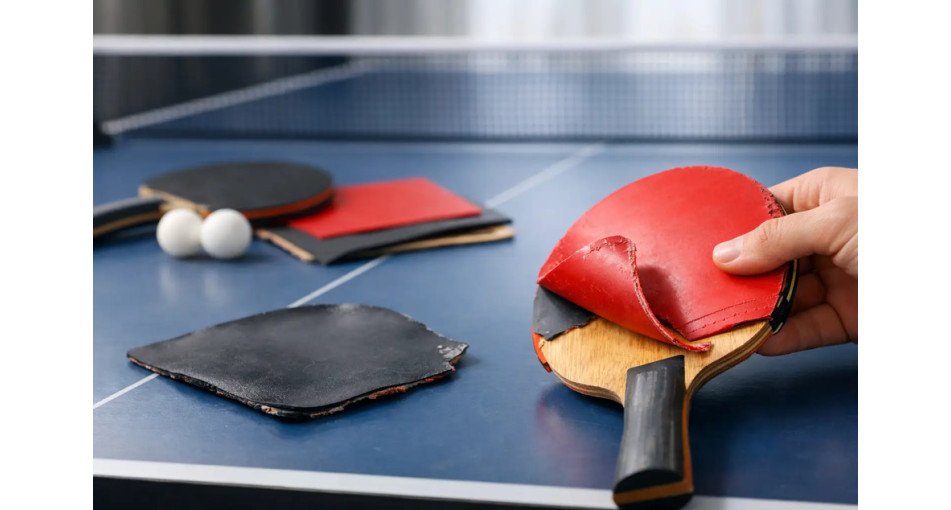
If your loops are landing shorter, your serves have lost bite, or blocks feel strangely dead, you are already asking the right question: when should you replace table tennis rubber? For serious players, rubber is a consumable performance part, not a one-time purchase.
The practical answer is simple: replace it when performance drops enough to affect your game. The more useful answer is that lifespan depends on how often you play, how you contact the ball, and what kind of rubber you use.
A player training 8 to 12 hours a week with a tacky Chinese forehand and a tensioned European backhand may wear through each side at very different rates. The forehand might lose tack and catapult gradually over 6 to 10 weeks, while the backhand topsheet may become slick and less stable after 8 to 12 weeks. A player practicing twice a week for 3 hours total could get 4 to 6 months from the same setup.
If you compete regularly, the threshold is lower. Recreationally playable and match-ready are not the same thing. Plenty of rubbers still look fine long after they stop giving you the spin, arc, and confidence needed for league play.
Players often wait too long because wear is gradual. You adjust without noticing, then wonder why your opening loop or short game feels off.
The first giveaway is usually spin loss. Serves come off flatter, opening loops need more effort, and pushes stop biting. After that, you may notice reduced rebound consistency. One ball shoots, the next one dies. That is especially common once the topsheet starts glazing or the sponge has been compressed over time.
Visual wear helps, but feel is more important. A rubber can look acceptable and still be past its best. If the contact sound changes, the dwell feels shorter, or your usual brush contact stops producing a reliable arc, the sheet is likely fading.
A worn rubber often shows several of these at once:
That last point is non-negotiable. Once the rubber is physically damaged, replacement is the smart move.
There is no single replacement calendar, but there are realistic ranges.
| Player profile | Weekly play volume | Typical replacement window |
|---|---|---|
| Casual hobby player | 1-2 hours | 6-12 months |
| Club player | 3-6 hours | 3-6 months |
| League competitor | 6-10 hours | 2-4 months |
| Junior in structured training | 8-12 hours | 1.5-3 months |
| High-volume advanced player | 12+ hours | 1-2 months |
These ranges assume regular cleaning, case storage, and no major abuse. Leave a bat uncovered in a hot car or dusty bag and lifespan drops fast.
Not all sheets age the same way. If you use multiple styles, you already know one side can go flat while the other still feels alive.
These often start with strong surface grip, direct power, and a firmer feel. Over time, tack fades, the topsheet can harden, and opening quality drops unless you generate plenty of acceleration. High-use players often replace them every 6 to 12 weeks for peak performance.
These are popular because they feel dynamic and lively straight away. The trade-off is that the factory-tuned effect and elastic topsheet can decline noticeably with use. For frequent training, 8 to 16 weeks is common before there is a clear drop in catapult, grip, or stability.
Traditional non-tension sheets often last longer. They may not deliver elite-level spin or speed, but they can remain predictable for months. Choppers and all-round players sometimes get 6 months or more, though peak grip still fades earlier.
This is not a product table. It is a practical spec-style reference for replacement planning.
| Rubber category | Typical sponge hardness | Performance peak | Usable lifespan | Wear pattern |
|---|---|---|---|---|
| Tacky Chinese offensive | 39-41 degrees | 3-8 weeks | 2-4 months | Tack loss, harder feel |
| European tensor offense | 42.5-50 degrees | 4-10 weeks | 2-4 months | Grip loss, reduced catapult |
| Japanese high-performance | 40-50 degrees | 4-10 weeks | 2-5 months | Glazing, less arc |
| Classic all-round | 35-45 degrees | 2-4 months | 4-8 months | Gradual grip decline |
| Long pips or anti | Varies | 3-6 months | 6-12 months | Surface wear, reduced effect |
Performance peak matters more than total usable lifespan if you are trying to win matches, not just keep the ball on the table.
Across repeated in-house style evaluations, worn offensive rubbers tend to show the same pattern. Around the early decline phase, serve quality drops first, then opening loop confidence, then passive control. That order surprises some players because they expect speed loss to show up first. In reality, many sheets keep enough rebound for basic rallying while losing the fine grip needed for spin-heavy touch shots.
On harder forehand rubbers, the deadening is often subtle. Players compensate by swinging harder, which can mask wear for a while. On backhand tensors, the drop is easier to notice because the rubber no longer grabs the ball as cleanly on quick topspins and counters.
A simple test is to compare your current racket with a fresh sheet of the same rubber, same thickness, on the same blade family if possible. The difference is usually bigger than memory suggests.
Hours played is only part of the picture. Contact quality matters a lot. Heavy brush loopers, serve-focused players, and multiball trainees wear topsheets faster than flatter hitters with the same weekly schedule.
Environment counts too. Dusty club floors, warm storage, and poor cleaning habits all accelerate decline. Sweat and skin oil on the handle side can creep onto the topsheet. Even overly aggressive cleaning can do damage if you scrub too hard or use harsh products.
If you want better lifespan, clean after every session, use protective film when appropriate, and keep the racket in a proper case. Those habits will not make an old sheet new again, but they do slow down avoidable wear.
Not always. Many players use the forehand more aggressively and wear it out first. Others rely on the backhand for punch and counterplay and burn through that side faster. Replacing one sheet at a time is completely normal.
The main reason to change both together is balance. A fresh backhand rubber paired with a heavily worn forehand can make the racket feel uneven in rebound, throw angle, and weight distribution. That is not automatically bad, but it can complicate timing during match play.
If your game depends on consistency, matched freshness has real value.
If several trusted shots decline at the same time, especially serves, opening loops, and touch play, equipment is worth checking. A fresh sheet comparison usually answers the question quickly.
Yes, for casual players or classic all-round setups. For competitive offensive players, a full year is usually far beyond peak performance.
Cleaning removes dust and improves grip temporarily, but it does not reverse topsheet wear or sponge fatigue. If performance has dropped for weeks, cleaning will not solve it.
Usually yes. Beginners benefit more from stable technique than constant changes. But if the sheet is physically damaged or has become very slick, replacement still makes sense.
Your rubber does not need to be destroyed before it deserves replacing. If you are training seriously, the smartest time to change it is just before declining grip starts changing the way you swing, because that is when worn equipment begins teaching bad habits.